
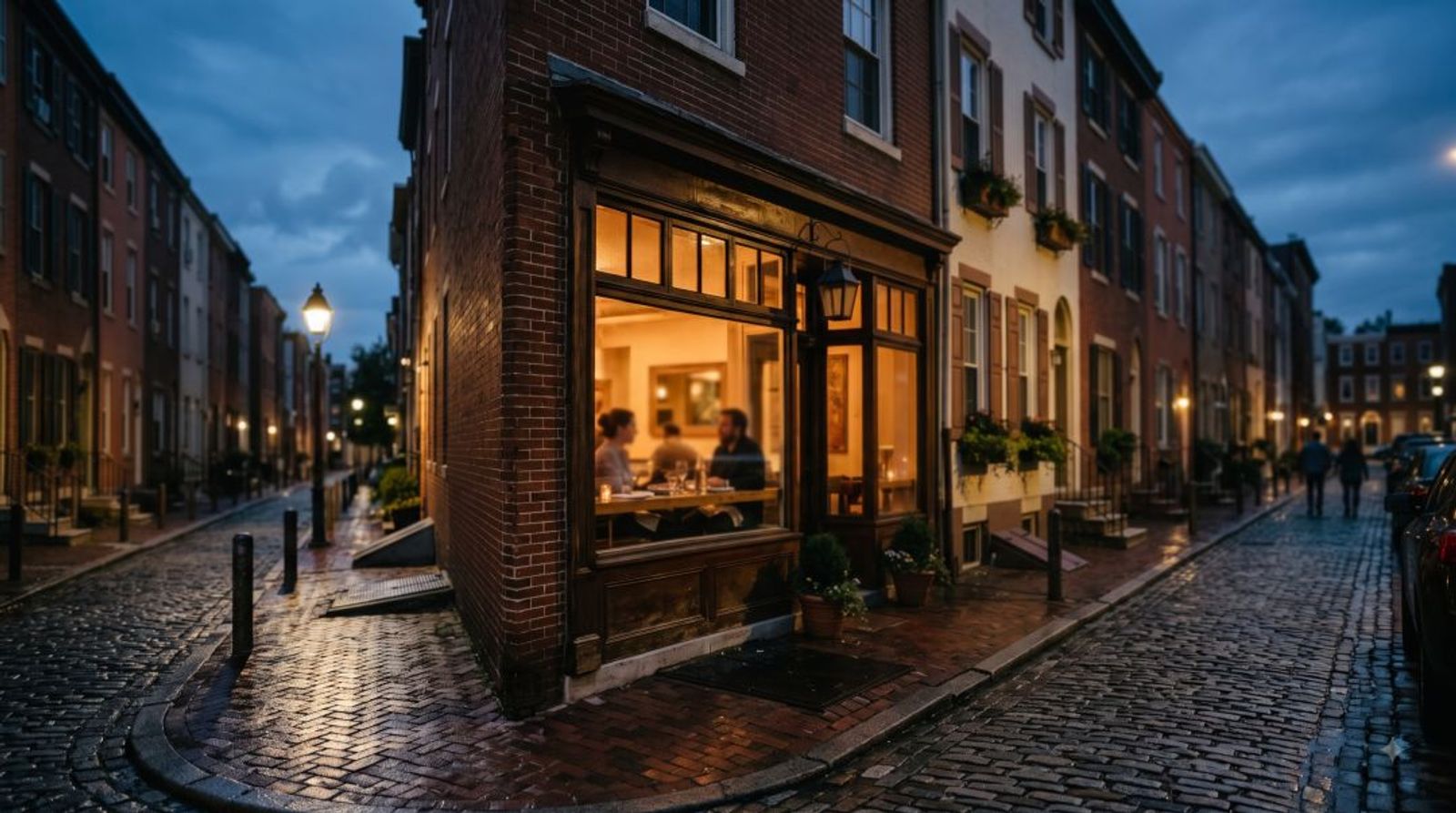
Italian Gelato Delivery to Eastern Pennsylvania Restaurants: How It Got Here, and Why It Stuck
Gelato did not arrive in eastern Pennsylvania on a marketing plan. It walked in.
It came off ships with people who had nothing much to sell except what they knew how to make, and it spread the way food actually spreads: one cart, one corner, one neighborhood at a time. A century later there is a whole logistics layer under it. Trucks, lead times, wholesale accounts, standing weekly orders. That part is new. The reason anybody wanted it in the first place is not.
This is the story of how Italian gelato reached the Philadelphia corridor, and what wholesale delivery looks like for the kitchens working there now.
Key Takeaways
- Gelato reached eastern Pennsylvania through immigration, not distribution. Italians settled heavily in South Philadelphia from the 1880s onward, and frozen dessert was one of the first things they sold.
- Gelato is not ice cream. Less air, less fat, warmer serving temperature. That is the whole difference, and it is a big one on a plate.
- Sorbetto and vegan gelato are no longer the afterthought. They are often the reason a table orders dessert at all.
- Wholesale delivery into the corridor runs on a 1 day lead time for most products. Custom flavor work takes 2 to 4 days.
- The map has edges. Direct delivery covers New Jersey, New York, Connecticut, and eastern Pennsylvania. It does not stretch to western Pennsylvania or eastern Ohio, and it never involves shipping to homes.
The short version
Italian gelato is a dense, slow-churned frozen dessert made in small batches and served warmer than American ice cream. It moves into eastern Pennsylvania restaurants, gelaterias, cafés, caterers, markets, and specialty retailers through wholesale foodservice delivery out of northern New Jersey, typically on a 1 day lead time.
That is the practical answer. The interesting part is how the demand got built in the first place.
How gelato actually got to eastern Pennsylvania
Start with the people.
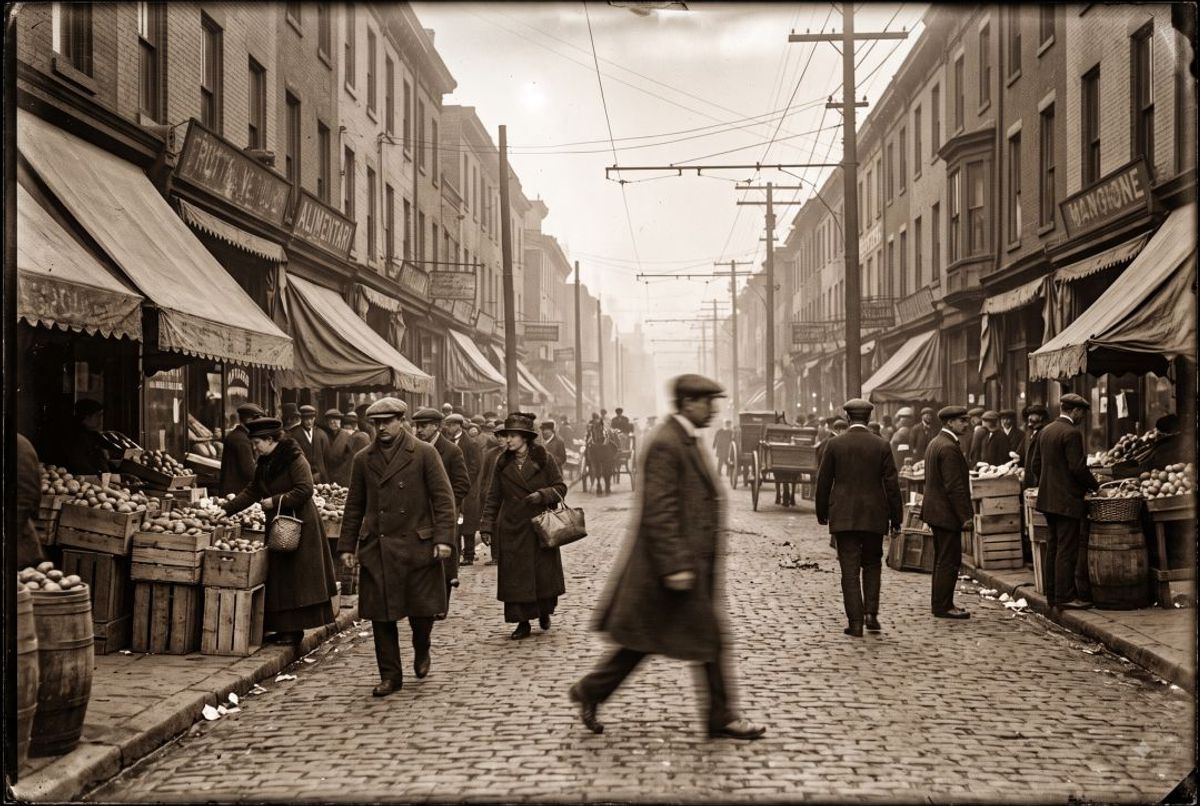
Italian migration to the Philadelphia region picked up seriously in the second half of the nineteenth century, and by the 1880s it was arriving in real numbers. Over time those scattered clusters, mostly in South Philadelphia, hardened into a single ethnic community with its own parishes and mutual aid societies. By 1930 the city counted roughly 183,000 Italian immigrants. The 2010 census still put the Philadelphia metro area second in the country for Italian-American population.
Now think about what a newly arrived family could actually sell. Not much capital. No storefront. But a recipe, a bucket, and a corner.
Sicilian granita, which had been around in one form or another since people were hauling snow down off Mount Etna, became the thing they sold. In most of the country it got called Italian ice. In Philadelphia it became water ice, and nobody has ever fully explained why the local dialect went its own way. Say it out loud in Philly and it comes out closer to "wooder ice."
So the first frozen dessert economy in this region was Italian, and it was street level. Small batch by necessity. Handcrafted because there was no other option.
The same thing was happening across the river. In 1904 Italo Marchiony built a wholesale frozen dessert operation in Hoboken, New Jersey, running his own delivery fleet to accounts around the metro area. That is worth sitting with for a second. The wholesale frozen dessert route serving northeastern kitchens is not a modern invention. It is one hundred and twenty years old.
Gelato, sorbetto, ice cream, Italian ice: the honest comparison
People use these words interchangeably and then get annoyed when the product does not behave the way they expected. Here is the actual difference.
| Gelato | Sorbetto | Ice cream | Italian ice | |
|---|---|---|---|---|
| Base | Dairy | No dairy, fruit forward | Dairy, higher fat | Water, sugar, flavoring |
| Air whipped in | Low | Low | High | Low |
| Serving temp | Warmer | Warmer | Colder | Colder |
| Texture | Dense, silky | Dense, clean | Light, aerated | Firm, icy |
| Flavor delivery | Immediate, intense | Bright, sharp | Muted by fat and cold | Direct, sharp |
The short of it: ice cream is whipped full of air and served cold enough that your palate goes numb before the flavor lands. Gelato is churned slower, carries less fat, and gets served warm enough that you actually taste it.
Sorbetto is the same discipline without dairy. Sorbetti and sorbet mean the same thing, by the way. There is no secret second product hiding behind the Italian spelling. Same with gelati, which is just the plural of gelato, though in this region you will occasionally hear the word used for something else entirely.
Italian ice sits in its own lane entirely, and in this region it deserves the respect. It is not a lesser gelato. It is a different tradition that happens to share a grandparent.
What the corridor looks like now
The Ninth Street Italian Market is still there, still running, and still the clearest physical proof that this food culture was built by immigrants who needed to eat and needed to earn.
But the demand has spread well past South Philly.
Restaurants in Phoenixville and West Chester run tasting menus that need a dessert course with some intelligence behind it. New Hope fills up on weekends and needs volume that does not collapse in quality. Caterers working events across Bucks and Chester counties need product that holds. Haddonfield, just over in New Jersey, has the same appetite. Specialty retailers and markets across the region want something with a story on the label.
And every one of those operators is buying the same way: wholesale, foodservice, delivered. Not freight. Local delivery, on a truck, from a place close enough that somebody could drive it back if the order went sideways. That matters more than people think, especially for catering work where a missed drop means a ruined event.
That is the part of the story nobody writes about. The romance is the immigrant with the cart. The reality in 2026 is a chef placing an order on Tuesday for Wednesday service, because a walk-in full of dead stock is how margins die.
Direct delivery from northern New Jersey covers eastern Pennsylvania alongside New York, Connecticut, and the home state. Past Lancaster the map thins out fast. Western Pennsylvania and eastern Ohio are outside the direct delivery range, and there is no national delivery program, no dry ice, no residential drops. This is a business to business operation and it stays that way.
If you want the full geography and how the tri-state footprint is structured, the wholesale gelato and sorbet buying guide covers it properly.
Why any of this matters beyond dessert
Here is the part I actually care about.
A gelato program is one of the few things a small restaurant can add that changes the shape of the evening. Dessert is where a table decides whether to stay. It is the difference between a check that closes at 8:40 and one that closes at 9:15 with two more coffees on it.
For neighborhood operators, that margin is not abstract. It is staffing. It is whether the place makes it through February.
Gelaterias and cafés get something else: a product that lets them compete without a production kitchen. You do not need a pastry team to put out something people will drive for. That has quietly kept a lot of small storefronts alive along the corridor.
And there is the immigrant thread, which has not gone anywhere. The water ice trade in Philadelphia is now run by people from many different backgrounds, not just Italian families. The tradition got handed off. That is what a healthy food culture does.
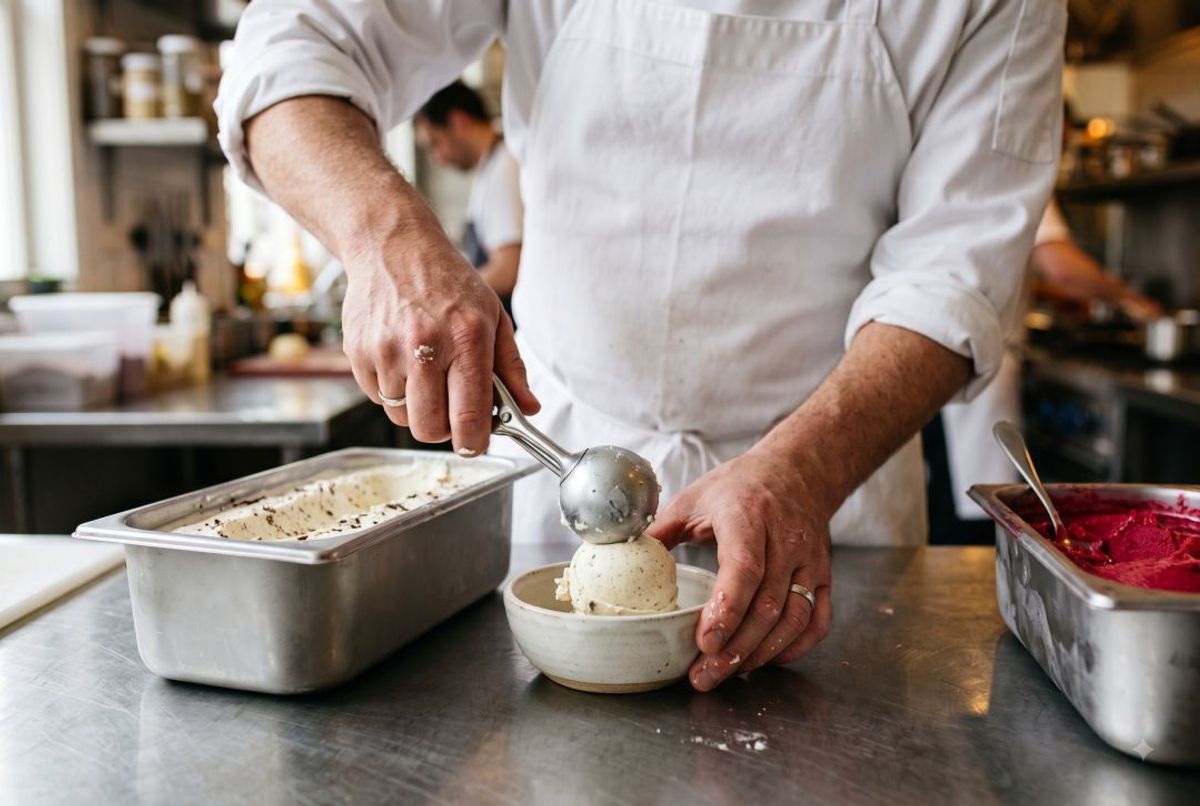
What to actually ask a wholesale gelato supplier
Most buyers ask about price first. Price is the fourth most important thing.
Lead time. Ask for the real number. Most products should be ready in 1 day once your account is running, which means you order to demand instead of guessing two weeks out. If a supplier quotes you 3 to 7 days, your walk-in is doing their inventory management for them.
Flavor range and the non-dairy count. Vegan gelato and non-dairy sorbetto are not a courtesy line item anymore. A table with one plant-based diner will order dessert or skip it entirely based on whether there is a real option. There are over 100 flavors on the full gelato and sorbet flavor list, including 38 dairy-free sorbets and 15 vegan gelato options.
Custom flavor development. If a chef wants a signature flavor built around what they are already doing, ask how long. The answer should be 2 to 4 days, not a quarter.
Ingredient quality and seasonality. Ask how they handle seasonal ingredients and how they think about local ingredients. Some buyers also ask about organic ingredients, which is a fair question to put directly to any supplier rather than assume. High-quality ingredients are a claim everyone makes, so make them explain what it means in practice.
Minimums. Expect something in the $150 to $300 range depending on where you are. That is normal for direct delivery and it is a reasonable trade for a 1 day turnaround.
For a deeper walkthrough of how restaurant accounts are structured, wholesale gelato for restaurants lays out the operational side. And if you are building a menu that changes with the calendar, the seasonal flavor pairing guide is more useful than another list of flavors.
Five things people get wrong
- Gelato is not just Italian ice cream. Different fat, different air, different temperature, different product. Calling it Italian ice cream is like calling espresso small coffee.
- Sorbetto is not the diet option. It is the flavor-forward option. Without dairy in the way, fruit hits harder.
- The wholesale route is older than the supermarket. Marchiony was running a delivery fleet out of Hoboken in 1904.
- "Water ice" is a Philadelphia word. The rest of the East Coast says Italian ice. Same ancestor, different dialect.
- Takeout changed the math. A gelato or sorbetto program that once only worked for dine-in now travels. Operators are moving product through their own pickup and takeaway channels, including delivery apps like Uber Eats and Caviar, which turned a dessert course into a second revenue line.
FAQ
How fast can a restaurant in eastern Pennsylvania get a gelato delivery? Most products are ready in 1 day once the wholesale account is set up. That lets kitchens order against actual demand rather than forecasting weeks ahead. Custom flavor work runs 2 to 4 days.
What is the difference between sorbetto and sorbet? Nothing. Sorbetto is the Italian word, sorbetti is the plural, sorbet is the French. Same product, and any supplier telling you otherwise is selling you vocabulary.
Does wholesale delivery reach all of Pennsylvania? No. Direct delivery covers eastern Pennsylvania along with New Jersey, New York, and Connecticut. Western Pennsylvania and eastern Ohio fall outside the direct range, and there is no national delivery or residential shipping.
Can a chef get a signature flavor made for their menu? Yes. Custom flavor solutions are built to a chef's spec with a 2 to 4 day lead time. It is one of the more underused options in wholesale foodservice, and it is usually cheaper than operators expect.
Where this leaves you
The gelato on a menu in West Chester or South Philly is the end of a line that runs back through a cart on Ninth Street, through a Hoboken delivery route in 1904, through a Sicilian recipe for shaved mountain snow.
That is not a marketing story. That is just what happened.
What has changed is that a chef in eastern Pennsylvania can now get authentic Italian gelato, sorbetto, vegan options, and the cones, cups, and spoons to serve them delivered on a 1 day lead time, without holding six weeks of inventory or compromising on what goes in the case.
If you are working out whether a wholesale program fits your operation, start with the regional wholesale gelato service overview or get in touch directly.